The Conference's Agenda

17 November 2026 12:00 to 13:30

Opening Plenary

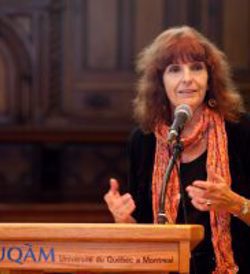
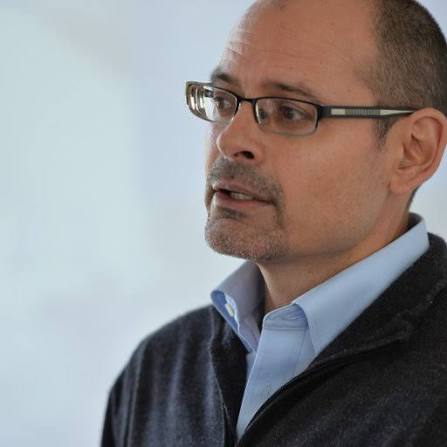
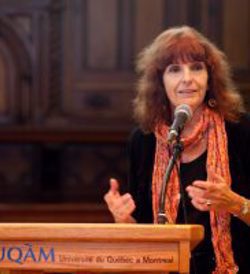
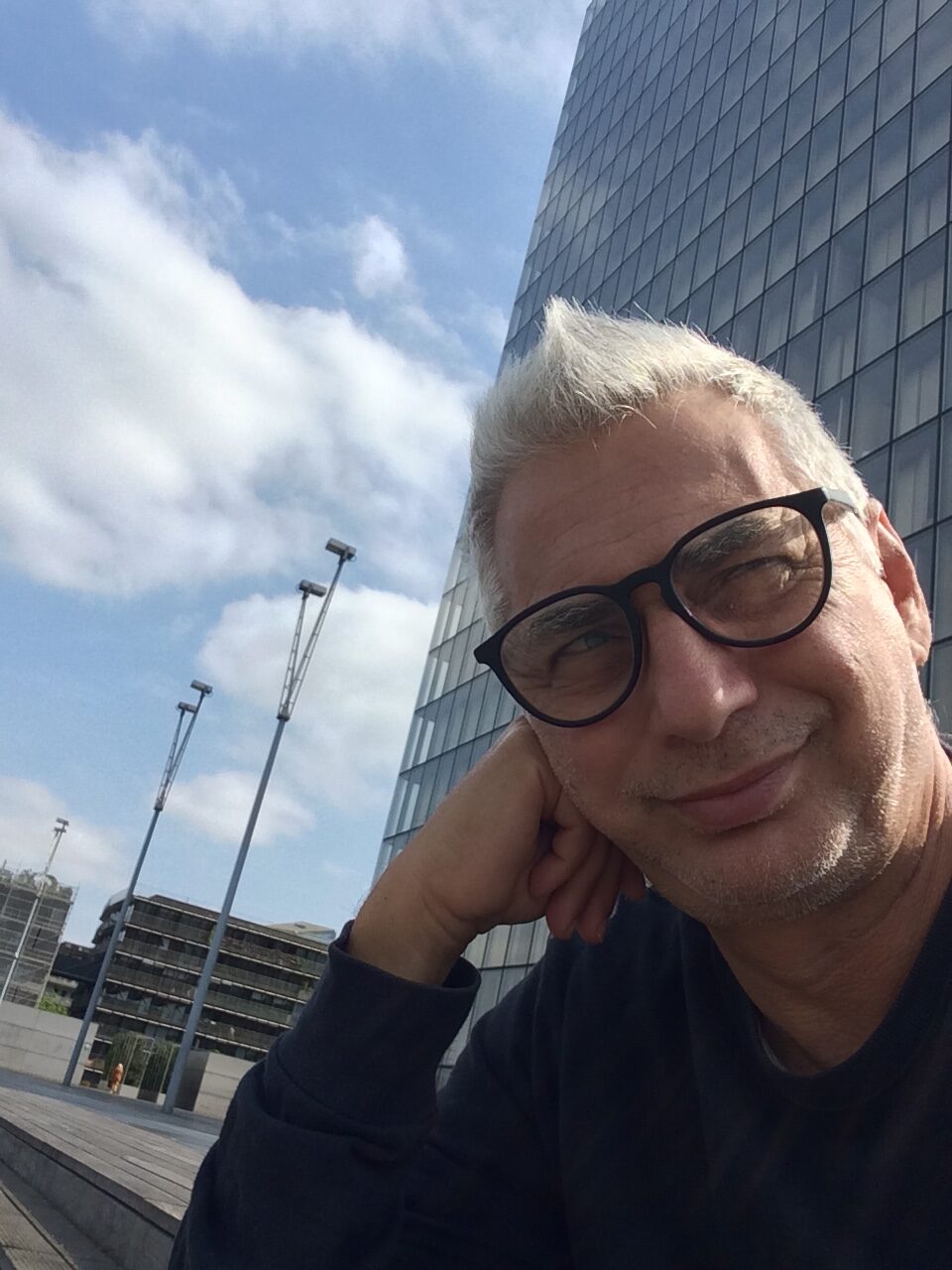
Lucie Sauvé

Full Professor, University of Quebec in Montreal (UQAM), Department of Didactics

Lucie Sauvé is professor at the Faculty of Education of the Université du Québec à Montréal (UQAM), Canada, and director of the Centr’ERE research center – Centre de recherche en éducation et formation relative à l’environnement et à l’écocitoyenneté. Professor Sauvé is the founder and co-responsible of the UQAM postgraduate program in environmental education. She is co-founder and director of the international research journal Éducation relative à l’environnement – Regards, Recherches, Réflexions. 


Lucie Sauvé has a strong experience of international cooperation projects in Latin America (Amazonian region) and won in this context two excellence awards. Her current research focuses on environmental health education (agriculture, food and water issues), energy education, ecocitizenship education and environmental educators’ and community leaders’ professional development. 


She received an honorary Ph.D. from the Universidad Veracruzana in Mexico, in 2015, as recognition of her deep involvement as a researcher in ecosocial movements aiming to address crucial environmental issues.

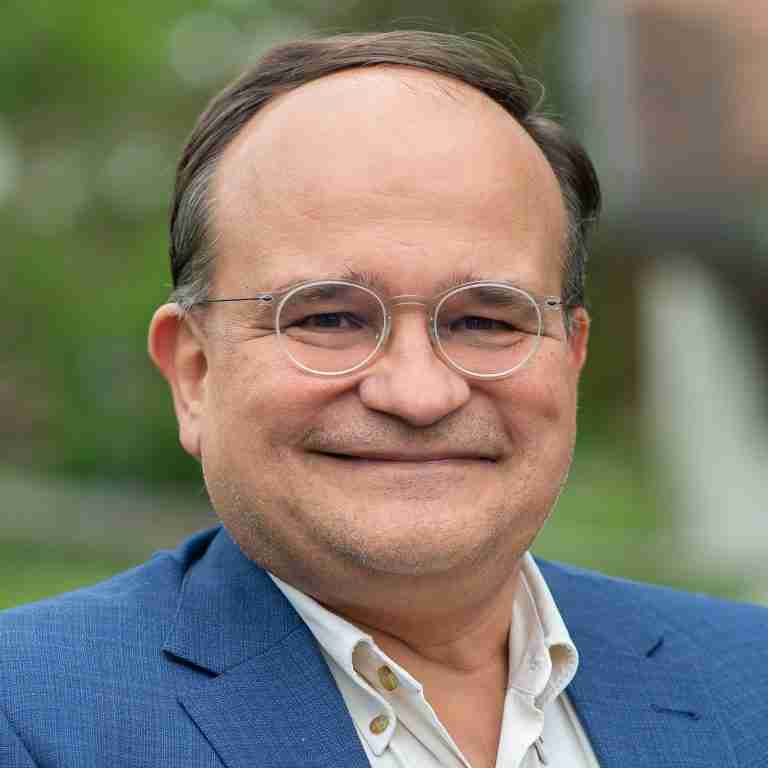
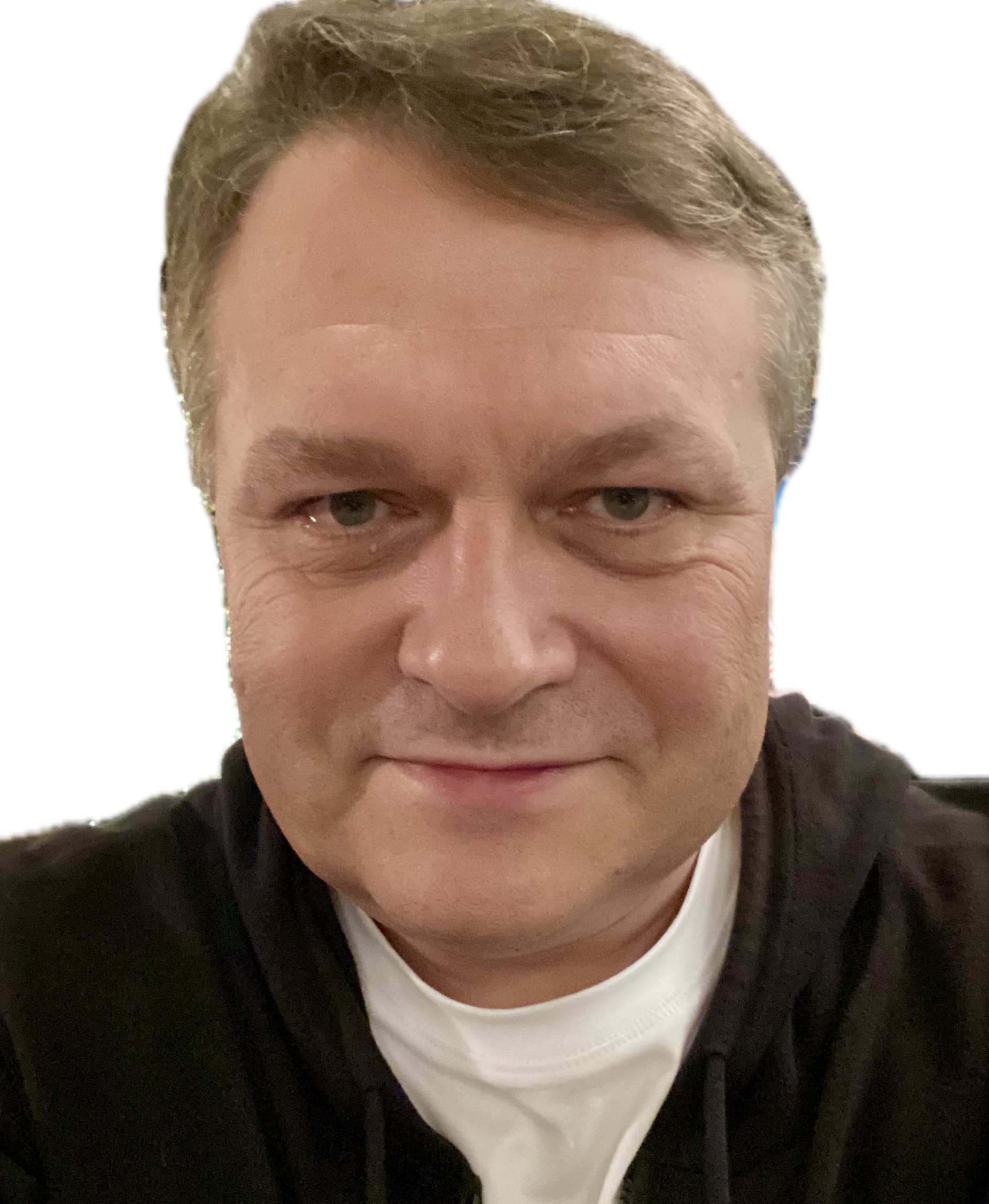
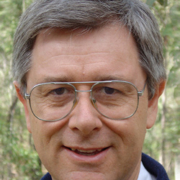
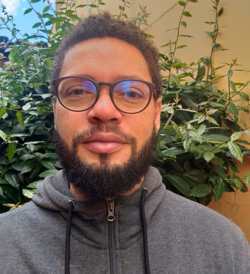
Carlos Álvarez Pereira

Secretary General, The Club of Rome

Carlos Álvarez Pereira is a senior professional combining more than 30 years of experience in research and innovation, entrepreneurship and business management, with a passion for complexity thinking and transdisciplinarity. He is keen on exploring the cultural transformation required to cross the threshold towards equitable human wellbeing within a healthy biosphere.He is member of the Advisory Board of the International Bateson Institute (IBI), fellow of the World Academy of Art and Science (WAAS), and member of the Spanish Fulbright Alumni Association, of which he has been Vice-President during 8 years. With an MSc in Aerospace Engineering, he has been a lecturer and researcher in Applied Mathematics at the Polytechnic University of Madrid (UPM). He founded and chaired for 14 years the Innaxis Foundation & Research Institute, specialized in the modelling of complex systems and big data applications. He has been the founder and top-level executive during more than 25 years of several consulting companies in Spain, Switzerland, France and Germany in the domains of digital technologies, systems integration and strategic advice.

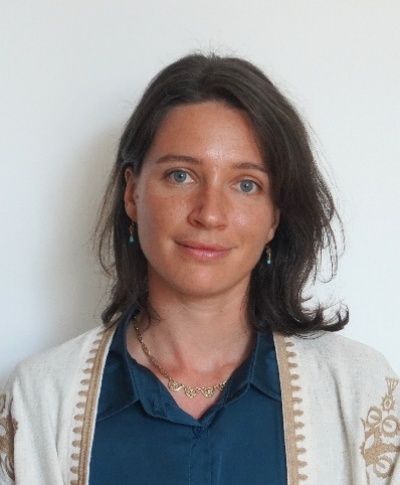
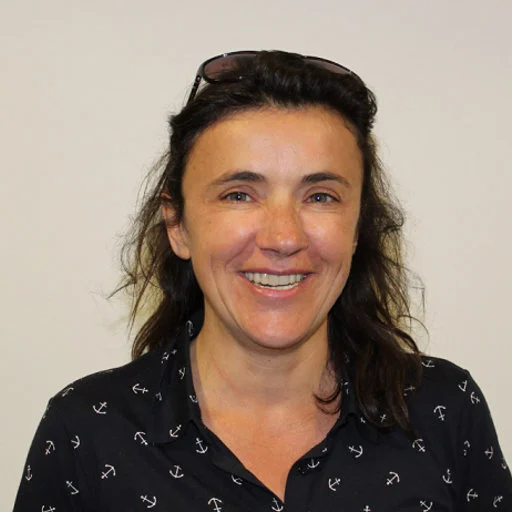
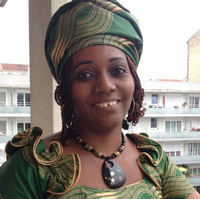
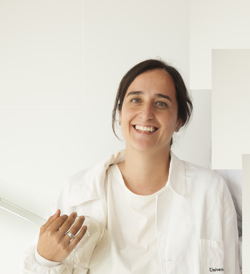
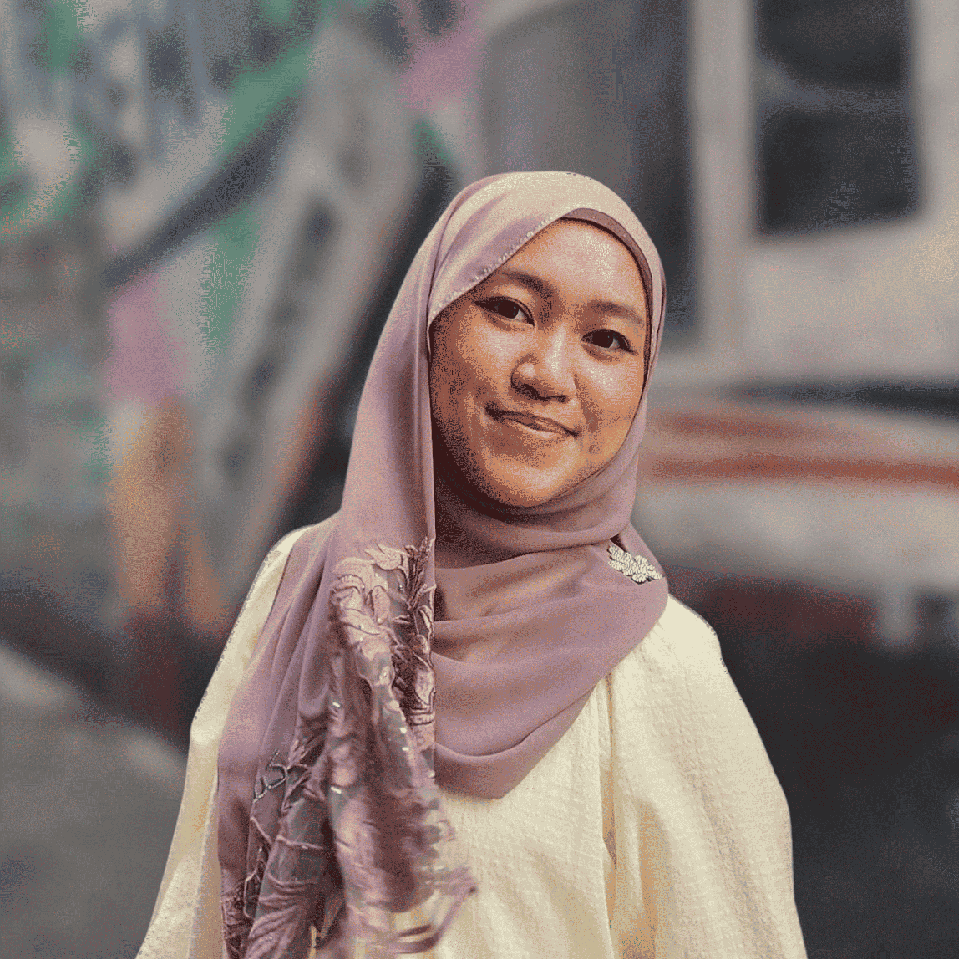
Mumtazah Arriffen

Curator, Global Shapers Community - Bandar Seri Begawan Hub

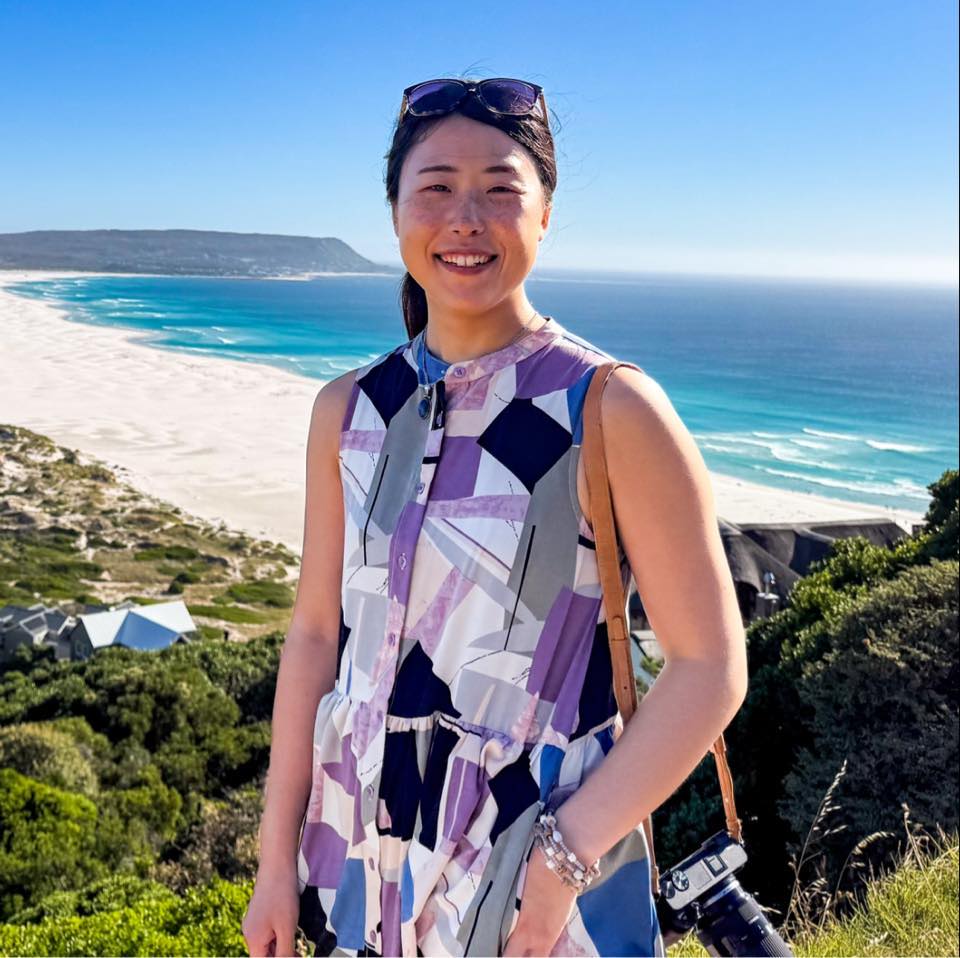
Mumtazah Arriffen, winner of the ASEAN Youth Speech Contest 2025, is a Biomedical Science student and aspiring scientist from Brunei who uses science, public speaking and community engagement to raise awareness on environmental and social issues. As Curator of the Global Shapers Community Bandar Seri Begawan Hub and a member of local NGO My Actions 4 SDGs, she contributes to educational and community programmes focused on the Sustainable Development Goals, environmental sustainability and wellbeing. 

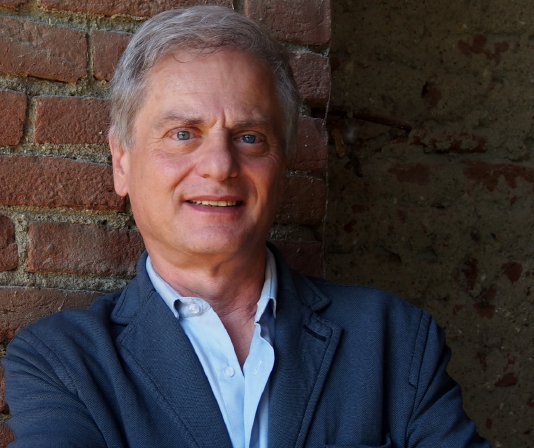
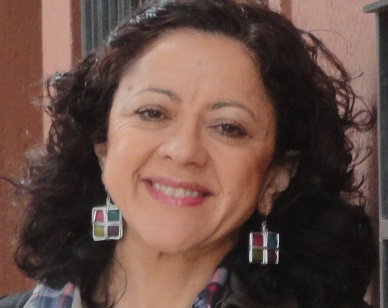
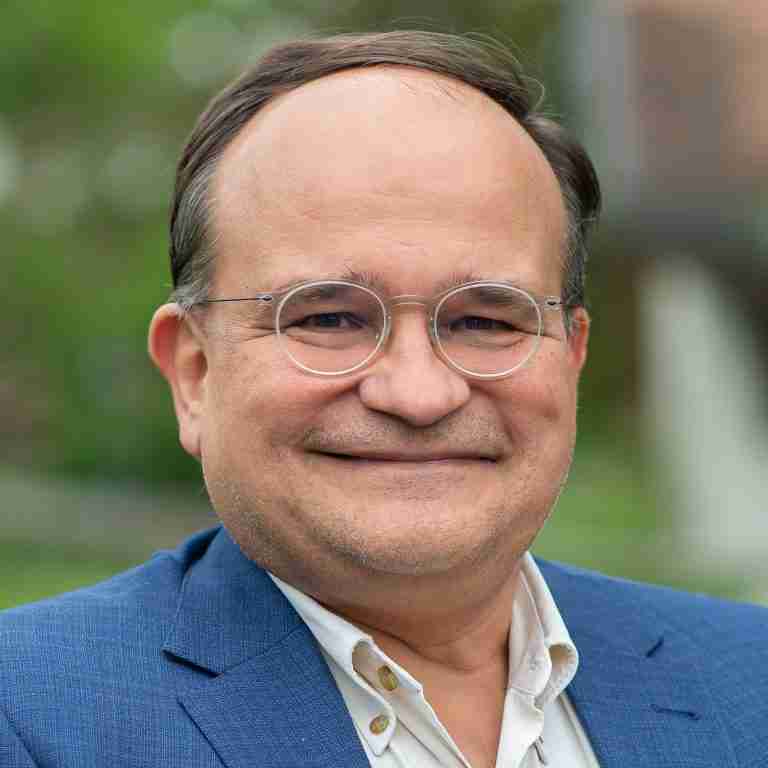
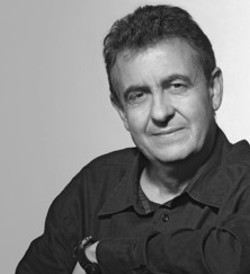
Mario Salomone

Secretary-General, WEEC Network

Mario Salomone is an environmental sociologist, journalist and writer. He is Secretary-General of the worldwide network that organises the World Environmental Education Congresses (WEEC), dedicated to environmental education, sustainability education and education for sustainable development.


He teaches Environmental Sociology in the MASRA Master's programme (Socio-environmental Sustainability and Food Chains) at the University of Turin, where he also sits on the Steering Committee of the UNESCO Chair in Sustainable Development and Territory Management, and in the MACSIS Master's programme (Science Communication and Sustainable Innovation) at the University of Milano-Bicocca. He previously taught Environmental and Territorial Sociology, Environmental Education and Tourism in Local Development at the University of Bergamo, and Political Communication at IULM University in Milan.


He is editor-in-chief of the Italian magazine .eco (founded in 1989) and of the scientific journal Culture della sostenibilità / Culture of Sustainability (founded in 2007). He is the author of numerous monographs, essays, book chapters and papers on environmental communication, green economy, ecological economics and environmental education, including Al verde! La sfida dell'economia ecologica (Carocci) and Giustizia sociale e ambientale (Doppiavoce), as well as novels and short stories, among them Messaggi dal futuro (Giunti, 1998). He has lectured at hundreds of conferences in Italy and abroad.


He is a founder and former President of the Italian Federation of Environmental Media (FIMA), a co-founder of the International Environmental Communication Association (IECA), and a Board member of the Aurelio Peccei Foundation, the Italian chapter of the Club of Rome. He holds a degree in Philosophy.

12:00 – 12:10 UTC  | Welcome and introduction, Mario Salomone

12:10 – 12:40 UTC  | Presentation of the conference themes, Lucie Sauvé

12:40 – 13:10 UTC | Keynote, Carlos Álvarez Pereira

13:10 – 13:20 UTC | How the platform works, WEEC Staff

13:20 – 13:30 UTC | Presentation of the YEEC, Mumtazah Arriffen

Moderator: Jenny Mónica Fernandes

17 November 2026 14:00 to 16:00

YEEC - Day 1

Aria Ribieras

Climate Change and Environmental Officer in Education, UNICEF Viet Nam

Aria works on building more resilient, inclusive, and sustainable learning environments in the context of climate change in Viet Nam, with a strong focus on equity, gender-transformative approaches, and the needs of children and young people most affected by climate and social inequalities. Her portfolio includes leading research on climate change impacts on children's right to education, supporting youth participation in green initiatives, protecting learning continuity during emergencies, and advancing projects that elevate the voices and leadership of girls and marginalized groups. Originally from the French countryside, Aria grew up close to nature, nurturing her lifelong commitment to environmental justice. With studies in international relations and political science, she has lived and worked across Latin America, Southeast Asia, Europe, and Africa, gaining extensive experience in participatory projects that address intersecting inequalities and promote inclusive, community-led action through education.

14:00 – 14:30 UTC | Short presentation
How are young people really doing? Bringing social justice back into environmental education. Reflections from Viet Nam and beyond
14:45 – 16:00 UTC | Workshop
How are young people really doing? Sharing youth experiences on climate change impacts on learning

17 November 2026 14:00 to 15:30

The value of Systems Thinking and System Dynamics in sustainability studies

Stefano Armenia

Associate Professor in Business Organizations, IUL Telematic University (Italian University Line), Florence

14:00 - 15:30 UTC | Panel

17 November 2026 16:00 to 17:00

Blind Spots and Missing Gaps in Environmental and Sustainability Education Research

Alberto Arenas

Editor-in-Chief, The Journal of Environmental Education, University of Arizona

Alberto Arenas is Professor of Environmental and Sustainability Education in the Department of Teaching, Learning, and Sociocultural Studies in the College of Education at the University of Arizona. He specializes in the connections between pedagogy and environmental sustainability; experiential education, with an emphasis on vocational education; and the decolonization of education with a focus on restoring culturally-rich, non-commodified knowledge and skills.
In 2019, Dr. Arenas became Editor-in-Chief of the Journal of Environmental Education, a premier educational journal and the oldest journal on environmental education worldwide in continuous operation.

Dr. Arenas has a Ph.D. in Sociocultural Studies in Education from the University of California, Berkeley. He was previously an Assistant Professor at the University of Massachusetts, Amherst teaching in the Center for International Education. From 2008-2019, Dr. Arenas was the co-director of the Study of the United States Institute (SUSI), a federally-funded grant that brought 40 Indigenous Latin American college students annually to the University of Arizona to learn about sustainability and Indigenous issues. Between 2013-2015, Professor Arenas was a member of the Scientific Committees of the World Environmental Education Congresses held in Morocco and Sweden. In 2014 he was a Fulbright Scholar in Mexico doing research on Mexico’s environmental education programs. From 2017-2021 he was Associate Editor for Environmental and Sustainability Education of the Oxford Encyclopedia of Educational Administration.

Professor Arenas grew up in Bogotá, Colombia. After studying at the Universidad de los Andes in Bogotá he relocated to the United States and transferred to the University of Arizona in Tucson to finish his bachelor’s degree in Psychology and Journalism. Upon his graduation in 1989, he returned to South America, first to Colombia and then Brazil. While working in Salvador, Bahia (Brazil), he became immersed in the field of literacy. He then returned to the United States to pursue his graduate education, which he did by entering the Graduate School of Education at Berkeley. Over there, he became interested in the field of environmental studies, which he combined with his interests in sociology and anthropology of education, and it is that combination of fields that drives his teaching and research up until the present. Upon receiving his Ph.D. degree in 2000, he went to teach to the University of Massachusetts in Amherst, where he taught at the Center for International Education in the Department of Educational Policy, Research, and Administration.

In 2002, he was hired by his old alma mater, the University of Arizona, and has taught in the College of Education since then. At the University of Arizona he has taught courses related to Environmental and Sustainability Studies; History of Education; Educational Leadership; and Research Methods. His publications have appeared in leading educational journals in the world, including Phi Delta Kappan, Teachers College Record, Compare, the International Review of Education, and the Journal of Environmental Education.

Yash Bhagwanji

Executive Editor, International Journal of Early Childhood Environmental Education

Victoria Carr

Co-editor, Children, Youth & Environments Journal

Andrew Bernier

Editor-in-Chief, Applied Environmental, Education & Communication

Estella Kuchta

Executive Editor, Canadian Journal of Environmental Education

Ramsey Affifi

Canadian Journal of Environmental Education

16:00 - 17:00 UTC | Panel

17 November 2026 22:00 to 23:00

From Campus to Community: Reimagining Environmental Education from San Luis Potosi, Mexico

22:00 – 23:00 UTC | Panel discussion, Mariana Buendia

18 November 2026 08:00 to 09:00

Blind Spots and Missing Gaps in Environmental and Sustainability Education Research

Alan Reid

Professor in the Faculty of Education, Monash University

Hilary Whitehouse

Executive Editor, Journal of Environmental Education

Sally Birdsall

Journal of Environmental Education

08:00 - 09:00 UTC | Panel

18 November 2026 09:10 to 15:45

YEEC - Day 2

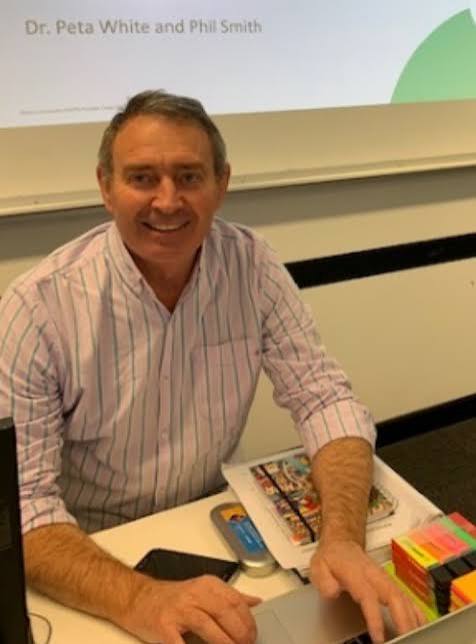
Phil Smith

S4P Founder and CEO, Speaking 4 the Planet

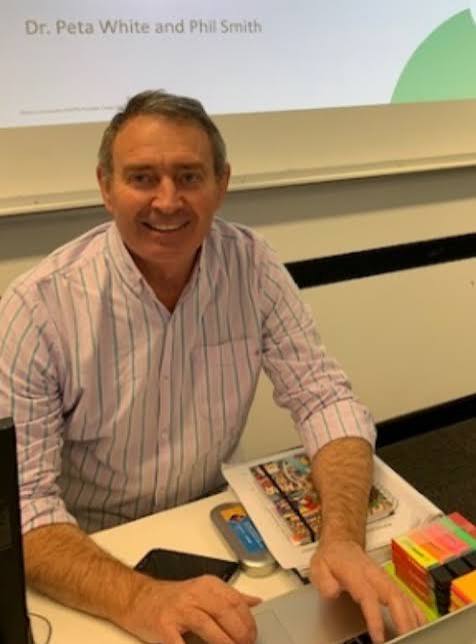
Phil’s forty years in education span the breadth of formal and non-formal education: schools, TAFE, community colleges, universities and a wide range of community settings. He has held leadership roles in schools, government agencies, the Australian Association for Environmental Education, and local and international NGOs. He has worked overseas in education, training and evaluation. His experience includes advocacy at local, state and federal levels; education in a humanitarian environment (Nauru); sustainability leadership courses for young people; professional development for teachers and trainers; conference facilitation; and mentoring training. Sustainability education has been and remains a key focus of his education work. As Manager Education in ResourceNSW, he worked with the Department of Education & Training to set up the NSW Sustainable Schools Program. 


Phil’s training includes: Restorative Practices, Conflict Resolution, Media & Public Communication, First Aid, Transition Towns, Writing for Sustainability, Community Engagement Techniques, Habits of Mind, and Approaches to Partnership Building.Phil teaches in two teacher-training programs at Western Sydney University. He also works as an education consultant, facilitator and writer. He spends considerable time working in a voluntary capacity with the Sutherland Shire Environment Centre on environmental campaigning and as a writer for the New Bush Telegraph.

09:10 – 09:20 UTC | Energizer session

09:30 – 11:15 UTC | Workshop, Ishrat Siddiqui (MUN)

12:00 – 13:30 UTC | Workshop, Phil Smith, with Ngoc, Thuy, Chayapa, Pasinee and Minh Khue

14:00 – 15:45 UTC | Workshop, Ishrat Siddiqui (MUN)

18 November 2026 11:00 to 14:00

Climate Action Simulation with EnROADS

11:00 - 14:00 UTC | Workshop

Limited to 80 participants. Registration required.

18 November 2026 17:00 to 18:00

Revue francophone internationale - Éducation relative à l'environnement

17:00 - 18:00 UTC | Panel

19 November 2026 08:40 to 10:30

YEEC - Day 3

08:40 – 08:50 UTC | Energizer session

09:00 – 10:30 UTC | Workshop, Cooper Riach
Undermining our futures: How mining is destroying our water supplies

19 November 2026 11:00 to 13:00

From Passion to Profession: turning environmental activism into a career

Kotoko Yadomaru

President, NatureLit Japan

Kotoko Yadomaru is a dedicated environmental communicator who strives to foster meaningful change. She has committed herself to youth engagement in environmental action for over five years.


She served as a youth program director at the Japan Committee for the International Union for Conservation of Nature (IUCN-J), where she promoted youth engagement and collected and disseminated information on the Convention on Biological Diversity (CBD). She then founded the Japanese youth organization Change Our Next Decade (COND), dedicated to biodiversity, and served as its President until 2023. She has since worked with the Japan Environmental Education Forum (JEEF) and currently serves on the International Communication Committee of the Japanese Society of Environmental Education and as Co-Editor-in-Chief of Environmental Education in Asia. In 2024, she founded NatureLit Japan and currently serves as its President, supporting individuals who wish to engage in environmental action. Since July 2026, she has also served as Vice Chair of the Japan Council on Education for Sustainable Development (ESD-J).


Her work includes planning and delivering environmental events and workshops, implementing youth capacity-building programs, and collecting and sharing information on international trends related to the CBD. She specializes in designing programs that drive meaningful change, empowering others, and envisioning a sustainable future together with the next generation.

11:00 - 13:00 UTC | Roundtable

19 November 2026 14:00 to 15:00

Tbilisi at 50: Imagining Environmental Education for the Next 50 Years

Judy Braus

Executive Director, North American Association for Environmental Education (NAAEE)

Judy Braus has been actively involved in national and international environmental education efforts for almost three decades. She is currently the Executive Director of the North American Association for Environmental Education (NAAEE), a non-profit organization dedicated to advancing environmental literacy and civic. Prior to NAAEE, she successfully managed the education and outreach departments at three national and international conservation organizations: the National Audubon Society, World Wildlife Fund, and the National Wildlife Federation. She was also the manager of environmental education programming at the U.S. Peace Corps. 


She has led many international environmental education projects, facilitated leadership workshops and conferences in dozens of countries, been the chief editor of several successful national publishing efforts focused on environmental education, and published in numerous nationally recognized periodicals and books. Her areas of expertise include environmental education, project management and strategic planning, leadership training and facilitation, conservation planning, writing and publishing, diversity and inclusion, curriculum and web development, and fundraising. 


Throughout her career, has Judy focused on using the power of education to help communities restore and protect the environment. She is passionate about creating an inclusive environmental movement and strengthening NAAEE so that it can help empower individuals and organizations to work together to increase their collective impact and create societal change.

Pramod Kumar Sharma

Senior Director of Education, Foundation for Environmental Education

Alan Reid

Professor in the Faculty of Education, Monash University

Arjen Wals

Professor of Transformative Learning for Socio-Ecological Sustainability, Wageningen University

Professor of Transformative Learning for Socio-Ecological Sustainability at Wageningen University and a Guest Professor at the Norwegian University of Life Sciences (NMBU). He also holds the UNESCO Chair of Social Learning and Sustainable Development. Furthermore, he is a senior advisor at the Gothenburg Centre for Sustainable Development (GMV) His work focusses on transformative social learning in vital coalitions of multiple stakeholders at the interface of science and society. His teaching and research focus on designing learning processes and learning spaces that enable people to contribute meaningfully sustainability. A central question in his work is: how to create conditions that support (new) forms of learning which take full advantage of the diversity, creativity and resourcefulness that is all around us, but so far remain largely untapped in our search for a world that is more sustainable than the one currently in prospect? Arjen was the Co-Chair of the WEEC 2015 conference which was held in Gothenburg, Sweden. He writes a regular research blog that signals developments in the emerging field of sustainability education: http://www.transformativelearning.nl
A short video on his drive and mission can be seen here: http://www.youtube.com/watch?v=iqB4ryiS4cY

14:00 - 15:00 UTC | Panel

Kartikeya Sarabhai and Arjen Wals

20 November 2026 15:00 to 16:00

Closing Plenary

Mario Salomone

Secretary-General, WEEC Network

Mario Salomone is an environmental sociologist, journalist and writer. He is Secretary-General of the worldwide network that organises the World Environmental Education Congresses (WEEC), dedicated to environmental education, sustainability education and education for sustainable development.


He teaches Environmental Sociology in the MASRA Master's programme (Socio-environmental Sustainability and Food Chains) at the University of Turin, where he also sits on the Steering Committee of the UNESCO Chair in Sustainable Development and Territory Management, and in the MACSIS Master's programme (Science Communication and Sustainable Innovation) at the University of Milano-Bicocca. He previously taught Environmental and Territorial Sociology, Environmental Education and Tourism in Local Development at the University of Bergamo, and Political Communication at IULM University in Milan.


He is editor-in-chief of the Italian magazine .eco (founded in 1989) and of the scientific journal Culture della sostenibilità / Culture of Sustainability (founded in 2007). He is the author of numerous monographs, essays, book chapters and papers on environmental communication, green economy, ecological economics and environmental education, including Al verde! La sfida dell'economia ecologica (Carocci) and Giustizia sociale e ambientale (Doppiavoce), as well as novels and short stories, among them Messaggi dal futuro (Giunti, 1998). He has lectured at hundreds of conferences in Italy and abroad.


He is a founder and former President of the Italian Federation of Environmental Media (FIMA), a co-founder of the International Environmental Communication Association (IECA), and a Board member of the Aurelio Peccei Foundation, the Italian chapter of the Club of Rome. He holds a degree in Philosophy.

15:00 - 16:00 UTC | Greetings and acknowledgements, Mario Salomone

Report on the conference work

Official announcement of the 14th WEEC

YEEC report

17 November 2026 12:00 to 13:30

Opening Plenary

Lucie Sauvé

Full Professor, University of Quebec in Montreal (UQAM), Department of Didactics

Lucie Sauvé is professor at the Faculty of Education of the Université du Québec à Montréal (UQAM), Canada, and director of the Centr’ERE research center – Centre de recherche en éducation et formation relative à l’environnement et à l’écocitoyenneté. Professor Sauvé is the founder and co-responsible of the UQAM postgraduate program in environmental education. She is co-founder and director of the international research journal Éducation relative à l’environnement – Regards, Recherches, Réflexions. 


Lucie Sauvé has a strong experience of international cooperation projects in Latin America (Amazonian region) and won in this context two excellence awards. Her current research focuses on environmental health education (agriculture, food and water issues), energy education, ecocitizenship education and environmental educators’ and community leaders’ professional development. 


She received an honorary Ph.D. from the Universidad Veracruzana in Mexico, in 2015, as recognition of her deep involvement as a researcher in ecosocial movements aiming to address crucial environmental issues.

Carlos Álvarez Pereira

Secretary General, The Club of Rome

Carlos Álvarez Pereira is a senior professional combining more than 30 years of experience in research and innovation, entrepreneurship and business management, with a passion for complexity thinking and transdisciplinarity. He is keen on exploring the cultural transformation required to cross the threshold towards equitable human wellbeing within a healthy biosphere.He is member of the Advisory Board of the International Bateson Institute (IBI), fellow of the World Academy of Art and Science (WAAS), and member of the Spanish Fulbright Alumni Association, of which he has been Vice-President during 8 years. With an MSc in Aerospace Engineering, he has been a lecturer and researcher in Applied Mathematics at the Polytechnic University of Madrid (UPM). He founded and chaired for 14 years the Innaxis Foundation & Research Institute, specialized in the modelling of complex systems and big data applications. He has been the founder and top-level executive during more than 25 years of several consulting companies in Spain, Switzerland, France and Germany in the domains of digital technologies, systems integration and strategic advice.

Mumtazah Arriffen

Curator, Global Shapers Community - Bandar Seri Begawan Hub

Mumtazah Arriffen, winner of the ASEAN Youth Speech Contest 2025, is a Biomedical Science student and aspiring scientist from Brunei who uses science, public speaking and community engagement to raise awareness on environmental and social issues. As Curator of the Global Shapers Community Bandar Seri Begawan Hub and a member of local NGO My Actions 4 SDGs, she contributes to educational and community programmes focused on the Sustainable Development Goals, environmental sustainability and wellbeing. 

Mario Salomone

Secretary-General, WEEC Network

Mario Salomone is an environmental sociologist, journalist and writer. He is Secretary-General of the worldwide network that organises the World Environmental Education Congresses (WEEC), dedicated to environmental education, sustainability education and education for sustainable development.


He teaches Environmental Sociology in the MASRA Master's programme (Socio-environmental Sustainability and Food Chains) at the University of Turin, where he also sits on the Steering Committee of the UNESCO Chair in Sustainable Development and Territory Management, and in the MACSIS Master's programme (Science Communication and Sustainable Innovation) at the University of Milano-Bicocca. He previously taught Environmental and Territorial Sociology, Environmental Education and Tourism in Local Development at the University of Bergamo, and Political Communication at IULM University in Milan.


He is editor-in-chief of the Italian magazine .eco (founded in 1989) and of the scientific journal Culture della sostenibilità / Culture of Sustainability (founded in 2007). He is the author of numerous monographs, essays, book chapters and papers on environmental communication, green economy, ecological economics and environmental education, including Al verde! La sfida dell'economia ecologica (Carocci) and Giustizia sociale e ambientale (Doppiavoce), as well as novels and short stories, among them Messaggi dal futuro (Giunti, 1998). He has lectured at hundreds of conferences in Italy and abroad.


He is a founder and former President of the Italian Federation of Environmental Media (FIMA), a co-founder of the International Environmental Communication Association (IECA), and a Board member of the Aurelio Peccei Foundation, the Italian chapter of the Club of Rome. He holds a degree in Philosophy.

12:00 – 12:10 UTC  | Welcome and introduction, Mario Salomone

12:10 – 12:40 UTC  | Presentation of the conference themes, Lucie Sauvé

12:40 – 13:10 UTC | Keynote, Carlos Álvarez Pereira

13:10 – 13:20 UTC | How the platform works, WEEC Staff

13:20 – 13:30 UTC | Presentation of the YEEC, Mumtazah Arriffen

Moderator: Jenny Mónica Fernandes

17 November 2026 14:00 to 16:00

YEEC - Day 1

Aria Ribieras

Climate Change and Environmental Officer in Education, UNICEF Viet Nam

Aria works on building more resilient, inclusive, and sustainable learning environments in the context of climate change in Viet Nam, with a strong focus on equity, gender-transformative approaches, and the needs of children and young people most affected by climate and social inequalities. Her portfolio includes leading research on climate change impacts on children's right to education, supporting youth participation in green initiatives, protecting learning continuity during emergencies, and advancing projects that elevate the voices and leadership of girls and marginalized groups. Originally from the French countryside, Aria grew up close to nature, nurturing her lifelong commitment to environmental justice. With studies in international relations and political science, she has lived and worked across Latin America, Southeast Asia, Europe, and Africa, gaining extensive experience in participatory projects that address intersecting inequalities and promote inclusive, community-led action through education.

14:00 – 14:30 UTC | Short presentation
How are young people really doing? Bringing social justice back into environmental education. Reflections from Viet Nam and beyond
14:45 – 16:00 UTC | Workshop
How are young people really doing? Sharing youth experiences on climate change impacts on learning

18 November 2026 09:10 to 15:45

YEEC - Day 2

Phil Smith

S4P Founder and CEO, Speaking 4 the Planet

Phil’s forty years in education span the breadth of formal and non-formal education: schools, TAFE, community colleges, universities and a wide range of community settings. He has held leadership roles in schools, government agencies, the Australian Association for Environmental Education, and local and international NGOs. He has worked overseas in education, training and evaluation. His experience includes advocacy at local, state and federal levels; education in a humanitarian environment (Nauru); sustainability leadership courses for young people; professional development for teachers and trainers; conference facilitation; and mentoring training. Sustainability education has been and remains a key focus of his education work. As Manager Education in ResourceNSW, he worked with the Department of Education & Training to set up the NSW Sustainable Schools Program. 


Phil’s training includes: Restorative Practices, Conflict Resolution, Media & Public Communication, First Aid, Transition Towns, Writing for Sustainability, Community Engagement Techniques, Habits of Mind, and Approaches to Partnership Building.Phil teaches in two teacher-training programs at Western Sydney University. He also works as an education consultant, facilitator and writer. He spends considerable time working in a voluntary capacity with the Sutherland Shire Environment Centre on environmental campaigning and as a writer for the New Bush Telegraph.

09:10 – 09:20 UTC | Energizer session

09:30 – 11:15 UTC | Workshop, Ishrat Siddiqui (MUN)

12:00 – 13:30 UTC | Workshop, Phil Smith, with Ngoc, Thuy, Chayapa, Pasinee and Minh Khue

14:00 – 15:45 UTC | Workshop, Ishrat Siddiqui (MUN)

19 November 2026 08:40 to 10:30

YEEC - Day 3

08:40 – 08:50 UTC | Energizer session

09:00 – 10:30 UTC | Workshop, Cooper Riach
Undermining our futures: How mining is destroying our water supplies

19 November 2026 11:00 to 13:00

From Passion to Profession: turning environmental activism into a career

Kotoko Yadomaru

President, NatureLit Japan

Kotoko Yadomaru is a dedicated environmental communicator who strives to foster meaningful change. She has committed herself to youth engagement in environmental action for over five years.


She served as a youth program director at the Japan Committee for the International Union for Conservation of Nature (IUCN-J), where she promoted youth engagement and collected and disseminated information on the Convention on Biological Diversity (CBD). She then founded the Japanese youth organization Change Our Next Decade (COND), dedicated to biodiversity, and served as its President until 2023. She has since worked with the Japan Environmental Education Forum (JEEF) and currently serves on the International Communication Committee of the Japanese Society of Environmental Education and as Co-Editor-in-Chief of Environmental Education in Asia. In 2024, she founded NatureLit Japan and currently serves as its President, supporting individuals who wish to engage in environmental action. Since July 2026, she has also served as Vice Chair of the Japan Council on Education for Sustainable Development (ESD-J).


Her work includes planning and delivering environmental events and workshops, implementing youth capacity-building programs, and collecting and sharing information on international trends related to the CBD. She specializes in designing programs that drive meaningful change, empowering others, and envisioning a sustainable future together with the next generation.

11:00 - 13:00 UTC | Roundtable

20 November 2026 15:00 to 16:00

Closing Plenary

Mario Salomone

Secretary-General, WEEC Network

Mario Salomone is an environmental sociologist, journalist and writer. He is Secretary-General of the worldwide network that organises the World Environmental Education Congresses (WEEC), dedicated to environmental education, sustainability education and education for sustainable development.


He teaches Environmental Sociology in the MASRA Master's programme (Socio-environmental Sustainability and Food Chains) at the University of Turin, where he also sits on the Steering Committee of the UNESCO Chair in Sustainable Development and Territory Management, and in the MACSIS Master's programme (Science Communication and Sustainable Innovation) at the University of Milano-Bicocca. He previously taught Environmental and Territorial Sociology, Environmental Education and Tourism in Local Development at the University of Bergamo, and Political Communication at IULM University in Milan.


He is editor-in-chief of the Italian magazine .eco (founded in 1989) and of the scientific journal Culture della sostenibilità / Culture of Sustainability (founded in 2007). He is the author of numerous monographs, essays, book chapters and papers on environmental communication, green economy, ecological economics and environmental education, including Al verde! La sfida dell'economia ecologica (Carocci) and Giustizia sociale e ambientale (Doppiavoce), as well as novels and short stories, among them Messaggi dal futuro (Giunti, 1998). He has lectured at hundreds of conferences in Italy and abroad.


He is a founder and former President of the Italian Federation of Environmental Media (FIMA), a co-founder of the International Environmental Communication Association (IECA), and a Board member of the Aurelio Peccei Foundation, the Italian chapter of the Club of Rome. He holds a degree in Philosophy.

15:00 - 16:00 UTC | Greetings and acknowledgements, Mario Salomone

Report on the conference work

Official announcement of the 14th WEEC

YEEC report

17 November 2026 12:00 to 13:30

Opening Plenary

Lucie Sauvé

Full Professor, University of Quebec in Montreal (UQAM), Department of Didactics

Lucie Sauvé is professor at the Faculty of Education of the Université du Québec à Montréal (UQAM), Canada, and director of the Centr’ERE research center – Centre de recherche en éducation et formation relative à l’environnement et à l’écocitoyenneté. Professor Sauvé is the founder and co-responsible of the UQAM postgraduate program in environmental education. She is co-founder and director of the international research journal Éducation relative à l’environnement – Regards, Recherches, Réflexions. 


Lucie Sauvé has a strong experience of international cooperation projects in Latin America (Amazonian region) and won in this context two excellence awards. Her current research focuses on environmental health education (agriculture, food and water issues), energy education, ecocitizenship education and environmental educators’ and community leaders’ professional development. 


She received an honorary Ph.D. from the Universidad Veracruzana in Mexico, in 2015, as recognition of her deep involvement as a researcher in ecosocial movements aiming to address crucial environmental issues.

Carlos Álvarez Pereira

Secretary General, The Club of Rome

Carlos Álvarez Pereira is a senior professional combining more than 30 years of experience in research and innovation, entrepreneurship and business management, with a passion for complexity thinking and transdisciplinarity. He is keen on exploring the cultural transformation required to cross the threshold towards equitable human wellbeing within a healthy biosphere.He is member of the Advisory Board of the International Bateson Institute (IBI), fellow of the World Academy of Art and Science (WAAS), and member of the Spanish Fulbright Alumni Association, of which he has been Vice-President during 8 years. With an MSc in Aerospace Engineering, he has been a lecturer and researcher in Applied Mathematics at the Polytechnic University of Madrid (UPM). He founded and chaired for 14 years the Innaxis Foundation & Research Institute, specialized in the modelling of complex systems and big data applications. He has been the founder and top-level executive during more than 25 years of several consulting companies in Spain, Switzerland, France and Germany in the domains of digital technologies, systems integration and strategic advice.

Mumtazah Arriffen

Curator, Global Shapers Community - Bandar Seri Begawan Hub

Mumtazah Arriffen, winner of the ASEAN Youth Speech Contest 2025, is a Biomedical Science student and aspiring scientist from Brunei who uses science, public speaking and community engagement to raise awareness on environmental and social issues. As Curator of the Global Shapers Community Bandar Seri Begawan Hub and a member of local NGO My Actions 4 SDGs, she contributes to educational and community programmes focused on the Sustainable Development Goals, environmental sustainability and wellbeing. 

Mario Salomone

Secretary-General, WEEC Network

Mario Salomone is an environmental sociologist, journalist and writer. He is Secretary-General of the worldwide network that organises the World Environmental Education Congresses (WEEC), dedicated to environmental education, sustainability education and education for sustainable development.


He teaches Environmental Sociology in the MASRA Master's programme (Socio-environmental Sustainability and Food Chains) at the University of Turin, where he also sits on the Steering Committee of the UNESCO Chair in Sustainable Development and Territory Management, and in the MACSIS Master's programme (Science Communication and Sustainable Innovation) at the University of Milano-Bicocca. He previously taught Environmental and Territorial Sociology, Environmental Education and Tourism in Local Development at the University of Bergamo, and Political Communication at IULM University in Milan.


He is editor-in-chief of the Italian magazine .eco (founded in 1989) and of the scientific journal Culture della sostenibilità / Culture of Sustainability (founded in 2007). He is the author of numerous monographs, essays, book chapters and papers on environmental communication, green economy, ecological economics and environmental education, including Al verde! La sfida dell'economia ecologica (Carocci) and Giustizia sociale e ambientale (Doppiavoce), as well as novels and short stories, among them Messaggi dal futuro (Giunti, 1998). He has lectured at hundreds of conferences in Italy and abroad.


He is a founder and former President of the Italian Federation of Environmental Media (FIMA), a co-founder of the International Environmental Communication Association (IECA), and a Board member of the Aurelio Peccei Foundation, the Italian chapter of the Club of Rome. He holds a degree in Philosophy.

12:00 – 12:10 UTC  | Welcome and introduction, Mario Salomone

12:10 – 12:40 UTC  | Presentation of the conference themes, Lucie Sauvé

12:40 – 13:10 UTC | Keynote, Carlos Álvarez Pereira

13:10 – 13:20 UTC | How the platform works, WEEC Staff

13:20 – 13:30 UTC | Presentation of the YEEC, Mumtazah Arriffen

Moderator: Jenny Mónica Fernandes

17 November 2026 14:00 to 15:30

The value of Systems Thinking and System Dynamics in sustainability studies

Stefano Armenia

Associate Professor in Business Organizations, IUL Telematic University (Italian University Line), Florence

14:00 - 15:30 UTC | Panel

17 November 2026 16:00 to 17:00

Blind Spots and Missing Gaps in Environmental and Sustainability Education Research

Alberto Arenas

Editor-in-Chief, The Journal of Environmental Education, University of Arizona

Alberto Arenas is Professor of Environmental and Sustainability Education in the Department of Teaching, Learning, and Sociocultural Studies in the College of Education at the University of Arizona. He specializes in the connections between pedagogy and environmental sustainability; experiential education, with an emphasis on vocational education; and the decolonization of education with a focus on restoring culturally-rich, non-commodified knowledge and skills.
In 2019, Dr. Arenas became Editor-in-Chief of the Journal of Environmental Education, a premier educational journal and the oldest journal on environmental education worldwide in continuous operation.

Dr. Arenas has a Ph.D. in Sociocultural Studies in Education from the University of California, Berkeley. He was previously an Assistant Professor at the University of Massachusetts, Amherst teaching in the Center for International Education. From 2008-2019, Dr. Arenas was the co-director of the Study of the United States Institute (SUSI), a federally-funded grant that brought 40 Indigenous Latin American college students annually to the University of Arizona to learn about sustainability and Indigenous issues. Between 2013-2015, Professor Arenas was a member of the Scientific Committees of the World Environmental Education Congresses held in Morocco and Sweden. In 2014 he was a Fulbright Scholar in Mexico doing research on Mexico’s environmental education programs. From 2017-2021 he was Associate Editor for Environmental and Sustainability Education of the Oxford Encyclopedia of Educational Administration.

Professor Arenas grew up in Bogotá, Colombia. After studying at the Universidad de los Andes in Bogotá he relocated to the United States and transferred to the University of Arizona in Tucson to finish his bachelor’s degree in Psychology and Journalism. Upon his graduation in 1989, he returned to South America, first to Colombia and then Brazil. While working in Salvador, Bahia (Brazil), he became immersed in the field of literacy. He then returned to the United States to pursue his graduate education, which he did by entering the Graduate School of Education at Berkeley. Over there, he became interested in the field of environmental studies, which he combined with his interests in sociology and anthropology of education, and it is that combination of fields that drives his teaching and research up until the present. Upon receiving his Ph.D. degree in 2000, he went to teach to the University of Massachusetts in Amherst, where he taught at the Center for International Education in the Department of Educational Policy, Research, and Administration.

In 2002, he was hired by his old alma mater, the University of Arizona, and has taught in the College of Education since then. At the University of Arizona he has taught courses related to Environmental and Sustainability Studies; History of Education; Educational Leadership; and Research Methods. His publications have appeared in leading educational journals in the world, including Phi Delta Kappan, Teachers College Record, Compare, the International Review of Education, and the Journal of Environmental Education.

Yash Bhagwanji

Executive Editor, International Journal of Early Childhood Environmental Education

Victoria Carr

Co-editor, Children, Youth & Environments Journal

Andrew Bernier

Editor-in-Chief, Applied Environmental, Education & Communication

Estella Kuchta

Executive Editor, Canadian Journal of Environmental Education

Ramsey Affifi

Canadian Journal of Environmental Education

16:00 - 17:00 UTC | Panel

17 November 2026 22:00 to 23:00

From Campus to Community: Reimagining Environmental Education from San Luis Potosi, Mexico

22:00 – 23:00 UTC | Panel discussion, Mariana Buendia

18 November 2026 08:00 to 09:00

Blind Spots and Missing Gaps in Environmental and Sustainability Education Research

Alan Reid

Professor in the Faculty of Education, Monash University

Hilary Whitehouse

Executive Editor, Journal of Environmental Education

Sally Birdsall

Journal of Environmental Education

08:00 - 09:00 UTC | Panel

18 November 2026 11:00 to 14:00

Climate Action Simulation with EnROADS

11:00 - 14:00 UTC | Workshop

Limited to 80 participants. Registration required.

18 November 2026 17:00 to 18:00

Revue francophone internationale - Éducation relative à l'environnement

17:00 - 18:00 UTC | Panel

19 November 2026 11:00 to 13:00

From Passion to Profession: turning environmental activism into a career

Kotoko Yadomaru

President, NatureLit Japan

Kotoko Yadomaru is a dedicated environmental communicator who strives to foster meaningful change. She has committed herself to youth engagement in environmental action for over five years.


She served as a youth program director at the Japan Committee for the International Union for Conservation of Nature (IUCN-J), where she promoted youth engagement and collected and disseminated information on the Convention on Biological Diversity (CBD). She then founded the Japanese youth organization Change Our Next Decade (COND), dedicated to biodiversity, and served as its President until 2023. She has since worked with the Japan Environmental Education Forum (JEEF) and currently serves on the International Communication Committee of the Japanese Society of Environmental Education and as Co-Editor-in-Chief of Environmental Education in Asia. In 2024, she founded NatureLit Japan and currently serves as its President, supporting individuals who wish to engage in environmental action. Since July 2026, she has also served as Vice Chair of the Japan Council on Education for Sustainable Development (ESD-J).


Her work includes planning and delivering environmental events and workshops, implementing youth capacity-building programs, and collecting and sharing information on international trends related to the CBD. She specializes in designing programs that drive meaningful change, empowering others, and envisioning a sustainable future together with the next generation.

11:00 - 13:00 UTC | Roundtable

19 November 2026 14:00 to 15:00

Tbilisi at 50: Imagining Environmental Education for the Next 50 Years

Judy Braus

Executive Director, North American Association for Environmental Education (NAAEE)

Judy Braus has been actively involved in national and international environmental education efforts for almost three decades. She is currently the Executive Director of the North American Association for Environmental Education (NAAEE), a non-profit organization dedicated to advancing environmental literacy and civic. Prior to NAAEE, she successfully managed the education and outreach departments at three national and international conservation organizations: the National Audubon Society, World Wildlife Fund, and the National Wildlife Federation. She was also the manager of environmental education programming at the U.S. Peace Corps. 


She has led many international environmental education projects, facilitated leadership workshops and conferences in dozens of countries, been the chief editor of several successful national publishing efforts focused on environmental education, and published in numerous nationally recognized periodicals and books. Her areas of expertise include environmental education, project management and strategic planning, leadership training and facilitation, conservation planning, writing and publishing, diversity and inclusion, curriculum and web development, and fundraising. 


Throughout her career, has Judy focused on using the power of education to help communities restore and protect the environment. She is passionate about creating an inclusive environmental movement and strengthening NAAEE so that it can help empower individuals and organizations to work together to increase their collective impact and create societal change.

Pramod Kumar Sharma

Senior Director of Education, Foundation for Environmental Education

Alan Reid

Professor in the Faculty of Education, Monash University

Arjen Wals

Professor of Transformative Learning for Socio-Ecological Sustainability, Wageningen University

Professor of Transformative Learning for Socio-Ecological Sustainability at Wageningen University and a Guest Professor at the Norwegian University of Life Sciences (NMBU). He also holds the UNESCO Chair of Social Learning and Sustainable Development. Furthermore, he is a senior advisor at the Gothenburg Centre for Sustainable Development (GMV) His work focusses on transformative social learning in vital coalitions of multiple stakeholders at the interface of science and society. His teaching and research focus on designing learning processes and learning spaces that enable people to contribute meaningfully sustainability. A central question in his work is: how to create conditions that support (new) forms of learning which take full advantage of the diversity, creativity and resourcefulness that is all around us, but so far remain largely untapped in our search for a world that is more sustainable than the one currently in prospect? Arjen was the Co-Chair of the WEEC 2015 conference which was held in Gothenburg, Sweden. He writes a regular research blog that signals developments in the emerging field of sustainability education: http://www.transformativelearning.nl
A short video on his drive and mission can be seen here: http://www.youtube.com/watch?v=iqB4ryiS4cY

14:00 - 15:00 UTC | Panel

Kartikeya Sarabhai and Arjen Wals

20 November 2026 15:00 to 16:00

Closing Plenary

Mario Salomone

Secretary-General, WEEC Network

Mario Salomone is an environmental sociologist, journalist and writer. He is Secretary-General of the worldwide network that organises the World Environmental Education Congresses (WEEC), dedicated to environmental education, sustainability education and education for sustainable development.


He teaches Environmental Sociology in the MASRA Master's programme (Socio-environmental Sustainability and Food Chains) at the University of Turin, where he also sits on the Steering Committee of the UNESCO Chair in Sustainable Development and Territory Management, and in the MACSIS Master's programme (Science Communication and Sustainable Innovation) at the University of Milano-Bicocca. He previously taught Environmental and Territorial Sociology, Environmental Education and Tourism in Local Development at the University of Bergamo, and Political Communication at IULM University in Milan.


He is editor-in-chief of the Italian magazine .eco (founded in 1989) and of the scientific journal Culture della sostenibilità / Culture of Sustainability (founded in 2007). He is the author of numerous monographs, essays, book chapters and papers on environmental communication, green economy, ecological economics and environmental education, including Al verde! La sfida dell'economia ecologica (Carocci) and Giustizia sociale e ambientale (Doppiavoce), as well as novels and short stories, among them Messaggi dal futuro (Giunti, 1998). He has lectured at hundreds of conferences in Italy and abroad.


He is a founder and former President of the Italian Federation of Environmental Media (FIMA), a co-founder of the International Environmental Communication Association (IECA), and a Board member of the Aurelio Peccei Foundation, the Italian chapter of the Club of Rome. He holds a degree in Philosophy.

15:00 - 16:00 UTC | Greetings and acknowledgements, Mario Salomone

Report on the conference work

Official announcement of the 14th WEEC

YEEC report

About the Virtual International Conference

The World Environmental Education Congress is the leading global gathering for environmental education and education for sustainable development. For over two decades, it has brought together the researchers, educators, institutions, NGOs and changemakers shaping how the world learns to live within planetary limits.

WEEC 2026 will be fully online, removing travel cost and carbon emissions, and opening the doors to participants who could never join an in-person edition. Reconnect with Earth will explore education, community and the ecological transition across plenaries, thematic tracks, workshops and a youth programme. 

You can take part any time, from anywhere.

Thematic sessions (oral presentations and posters) are pre-recorded and available on the platform at any time during the Conference, where you can also interact with presenters. Presenters upload their work in advance, so they do not need to be online at set time.

Live sessions, including the opening and closing plenaries and panel discussions, are scheduled across different time zones so that participants worldwide can join in real time. 

The Reconnect with Earth - WEEC 2026 Virtual International Conference will be published as open access conference proceedings.

The programme is organized around seven research and practice themes. Discover them in the Themes section!

100%

Global & Online

Visit the official website

4+

Days of plenaries, tracks & events 

Add to Calendar

12

World congresses held since 2003

Find out more

100+

Countries represented across editions

Scientific journals, institutions, and organisations are also invited to host their own independent sessions within Reconnect with Earth, free of charge. To arrange this, contact the secretariat at secretariat@weecnetwork.org

Seven themes, one planet

Find the theme that speaks to your mission, or propose something that crosses several, or opens a new one. The seven themes are a starting point, not a fixed grid.

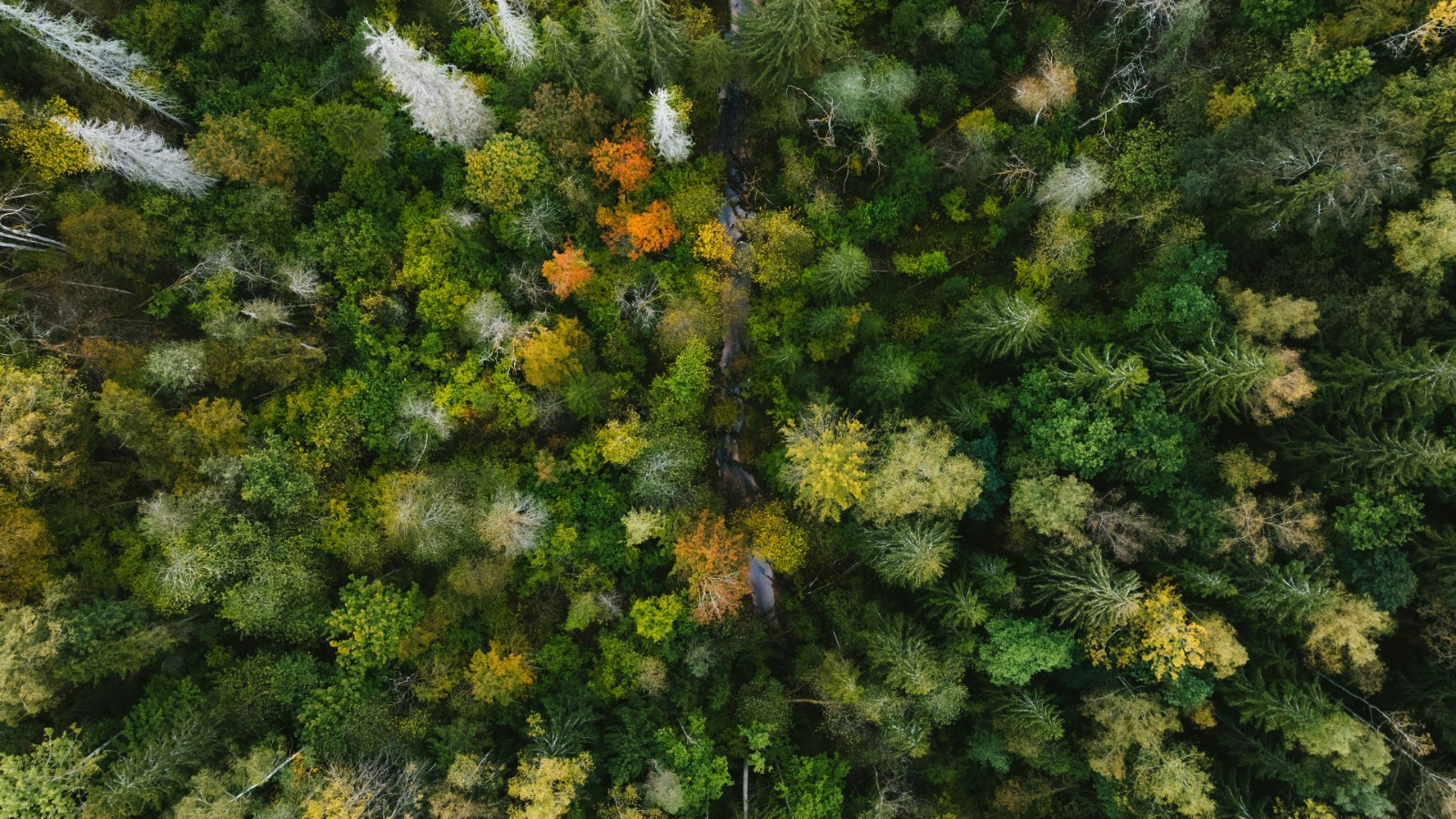
Theme 1: Biodiversity and nature at the centre of pedagogical innovation

Theme 1: Biodiversity and nature at the centre of pedagogical innovation

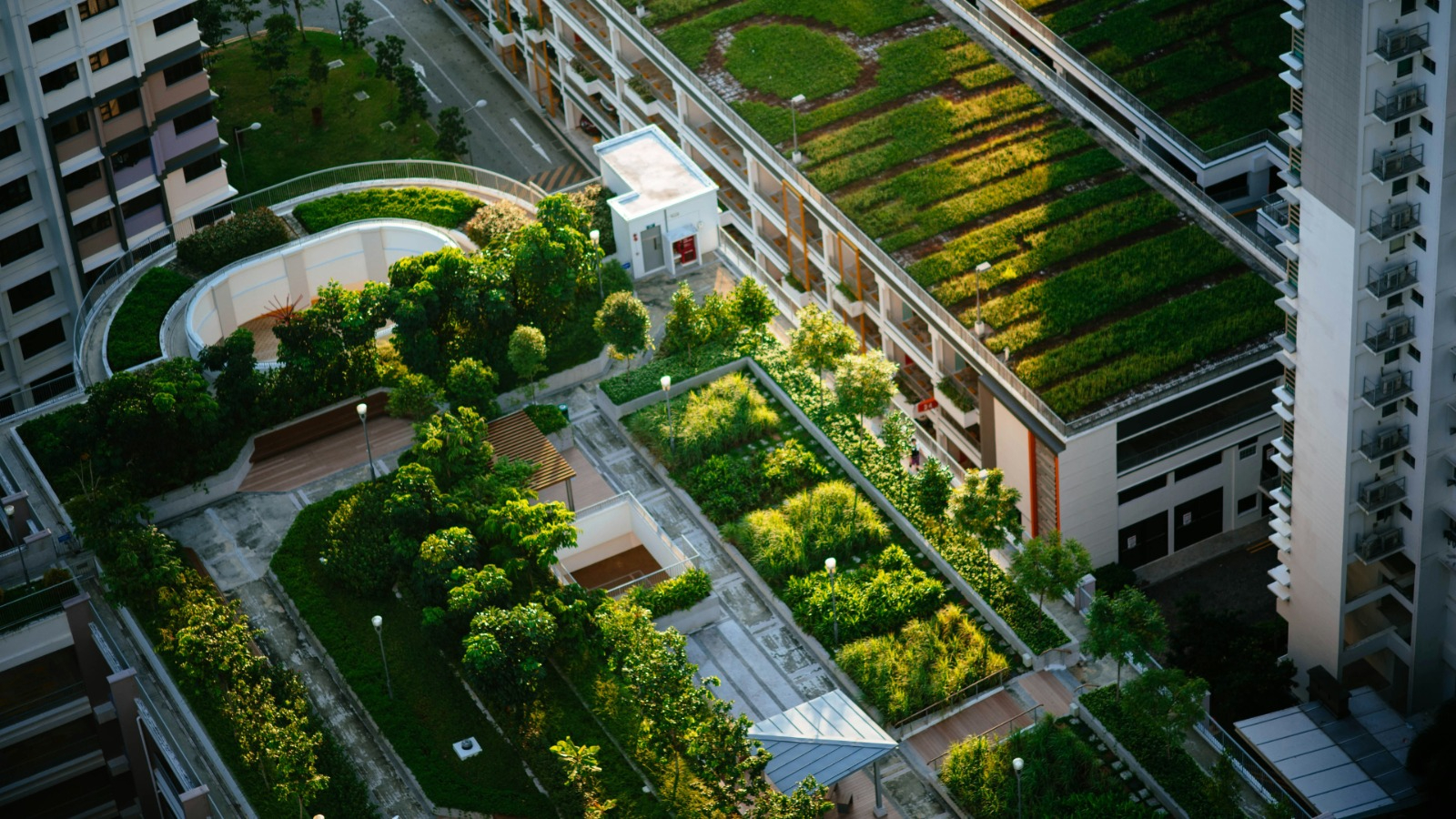
Theme 2: Urban education, fair and sustainable cities, and participation

Theme 2: Urban education, fair and sustainable cities, and participation

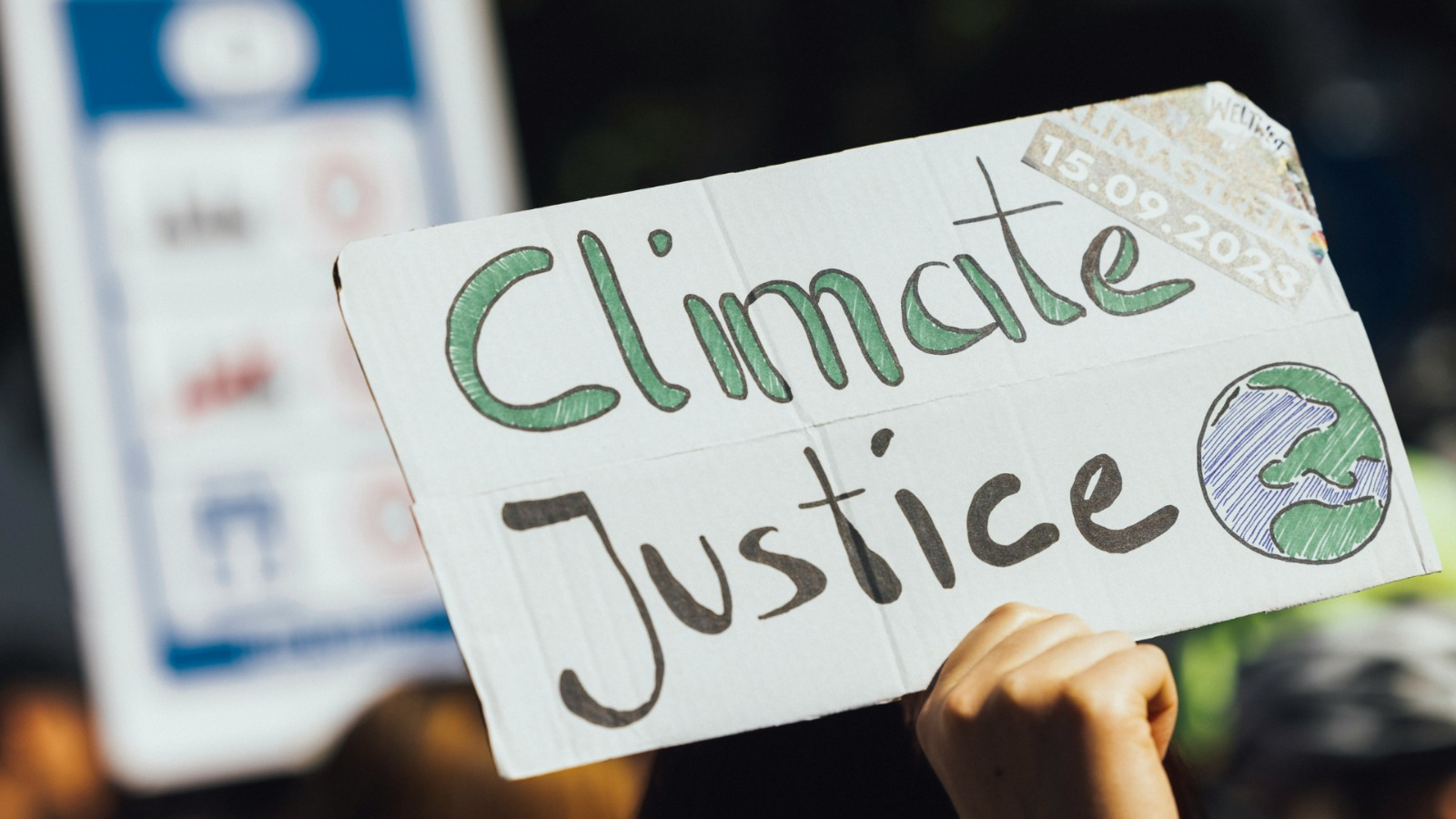
Theme 3: Climate education

Theme 3: Climate education

Learn more about the 7 themes in your preferred language

Submit 
your abstract

Submit an abstract presenting your research, project, or practice. All submissions are reviewed by our international scientific committee. If your abstract is accepted, you can then proceed to pay your participation fee and upload the presentation that participants will see during the Conference.

 Submissions are still open! 

 Deadline: 20 October 2026, 23:59 CEST 

 Notification of acceptance: as soon as possible 

New here?

Create an account to submit your abstract.

Register Now

Already registered?

Log in to submit a new abstract or check an existing one.

Log In

How it works, step by step

  1. Submit your abstract. Create an account, or log in if you already have one, and submit your abstract in English, French or Spanish.
  2. Wait for the outcome. The Scientific Committee reviews all submissions. You will receive an email with the outcome as soon as possible.
  3. Complete your registration. If your abstract is accepted, the email will include the Committee's evaluation and a link to complete your registration and pay the participation fee. Please do not pay before your abstract has been accepted.
  4. Upload your presentation. The acceptance email will also include a link to a Google Form with everything you need to create your presenter account and upload your video and/or poster. The upload deadline is 31 October 2026.
  5. Take part in the Conference. Your presentation will be published in the thematic session for your topic, where participants can watch it at any time during the four days and leave questions and comments for you. You do not need to present your abstract live: all thematic sessions are asynchronous, so you can take part whatever your time zone. Your presentation will remain available on demand for one month after the Conference, and your contribution will be featured in the Abstract Book and in the official Open Access Conference Proceedings (with ISBN).

 Presentation upload deadline: 31 October 2026 

Choose your presentation format: a pre-recorded video, a poster, or both.

Video presentation

Record a video presenting your research, project, or practice. 

Your video must be no longer than 15 minutes and submitted in MP4 format. 

Please record in landscape (horizontal) orientation, as this displays best on the conference platform. 

There is no strict file size limit, but please keep your file reasonably light (for example, 1080p or 720p resolution) so that it uploads smoothly and plays easily for all participants.

Poster presentation

Submit your poster as a 5-slide presentation in PDF format.

One slide for each key point of your work:

  1. Topic
  2. Research question
  3. Methodology
  4. Results
  5. Expected conclusions

Keep text to a minimum and use large, legible type: participants will view your poster on screen, including on mobile devices.

Scientific Committee

Abderrahim Ksiri

President, Planèt'ERE, International Francophone Network for Environmental Education

Alberto Arenas

Editor-in-Chief, The Journal of Environmental Education, University of Arizona

Aleksei Zavarzin

Director of the AI in Agrobiotechnology Center, ITMO University

Angela Barthes

Full Professor, Aix-Marseille University, ADEF Research Unit

Angelica De Sena

Coordinator, Social Research Center, National University of La Matanza (UNLaM), Secretariat of Science and Technology

Angelo Paletta

Professor of Business Administration & Head of Department, University of Bologna, Department of Management

Aurelie Zwang

Associate Professor, University of Montpellier, LIRDEF & Centr

Antonella Bachiorri

Coordinator of the Interdisciplinary Research Laboratory of Education for Sustainability, University of Parma

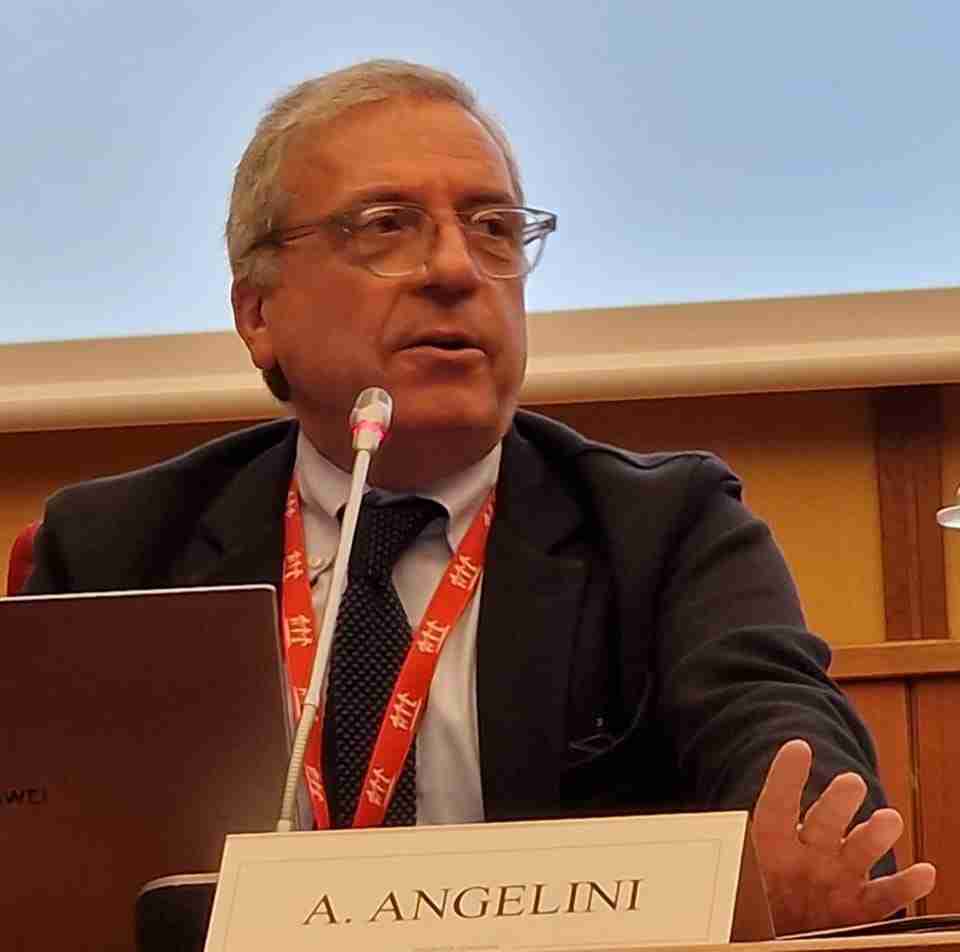
Aurelio Angelini

President at National Sustainable Education Committee, Cnesa 2030

Blandine Olive Tchamou

Associate Researcher, University of Quebec in Montreal (UQAM), Centr'ERE

Cam Mackenzie

Principal of the Amaroo Environmental Education Centre , Amaroo Environmental Education Centre

Carlos Álvarez Pereira

Secretary General, The Club of Rome

David Zandvliet

Director of the Institute for Environmental Learning, Simon Fraser University, Faculty of Education

Étienne van Steenberghe

Editor-in-Chief of a journal of research in environmental education, Université du Québec à Montréal

David Orr

Professor Emeritus of Environmental Studies and Politics, Oberlin College

Gabriella Calvano

Assistant Professor, University of Bari Aldo Moro, Department of Research and Innovation in the Humanities

Gladys Merma Molina

Director, INNODES Research Group, University of Alicante

Jacobus Bracker

Research Associate, University of Hamburg, Institute for Classical Archaeology

Judy Braus

Executive Director, North American Association for Environmental Education (NAAEE)

Lucie Sauvé

Full Professor, University of Quebec in Montreal (UQAM), Department of Didactics

Lupita Rosa Guadalupe Mendoza-Zuany

Researcher, UNESCO Chair in Education for Eco-citizenship and Sustainability, University of Veracruz, Institute for Research in Education

Lwanda Maqwelane

Researcher, Rhodes University, Learning Research Centre (ELRC)

M. Pilar Martínez-Agut

Associate Professor, University of Valencia, Faculty of Philosophy and Educational Sciences

Marcos Antonio Dos Santos Reigota

Professor & Development and supervision of environmental, cultural, and educational projects, University of Sorocaba, Graduate Program in Education

Marcos Vinicius Campelo Jr

Faculty Member, Federal University of Mato Grosso do Sul (UFMS), Graduate Program in Science Education

Mercedes Varela

Associate Professor, University of Vigo, Faculty of Education and Sport Sciences

Pedro José Vega Marcote

Full Professor, University of A Coruña, Department of Pedagogy and Didactics

Peta White

Associate Professor in Science and Environmental Education, Deakin University

Phil Smith

S4P Founder and CEO, Speaking 4 the Planet

Ram Boojh

Society for Environment Education & Development (SEED)

Richard Perry

Senior Advisor, Environment Agency – Abu Dhabi (EAD)

Rogério Rodrigues Faria

Assistant Professor, Federal University of Mato Grosso do Sul (UFMS), Aquidauana Campus

Stefano Armenia

Associate Professor in Business Organizations, IUL Telematic University (Italian University Line), Florence

Sonja Kuzich

Humanities Associate Professor , Curtin University, School of Education

Your voice counts:

join YEEC!

If you are between 12 and 25 years old, join the Youth Environmental Education Conference, a global stage where young people shape the future of environmental education.

Explore YEEC

Meet YEEC Organising Committee

Phil Smith

Phil Smith
Speaking 4 the Planet
S4P Founder and CEO

Kotoko Yadomaru

Kotoko Yadomaru
NatureLit Japan
President

Alinaitwe Jotham

Alinaitwe Jotham
Lead Impact Hub Ugand
Founder & CEO

Eleonora Possetto

Eleonora Possetto
WEEC Network
YEEC Coordinator

Alice Bona

Alice Bona
WEEC Network
YEEC Coordinator

Mumtazah Arriffen

Mumtazah Arriffen
Global Shapers Community - Bandar Seri Begawan Hub
Curator

FAQs


Yes. All submitted abstracts are reviewed by an international scientific committee.

The abstract submission is still open. Once an abstract is accepted (notification as soon as possible), presenters can submit either a pre-recorded video (for oral presentation) or a poster for the conference (deadline: 31 October 2026).

Accepted proposals count as a scientific publication, and will be included in the conference proceedings.

WEEC (World Environmental Education Congress) is the main international conference, the leading global gathering for environmental education and education for sustainable development, bringing together researchers, educators, institutions, NGOs and changemakers from around the world.

YEEC (Youth Environmental Education Conference) is embedded within WEEC. As part of Reconnect with Earth, it is dedicated specifically to young people aged 12-25: an autonomous space with its own programme and a real voice in shaping the conversation on environmental education.

Both will take place within the international virtual conference Reconnect with Earth, and will share some sessions, such as the opening and closing plenaries, while also offering track-specific content for each audience.

Yes. If you have research, a project, or practical insights on environmental education, you can submit an abstract for a video or poster presentation. To submit, register an account here: https://weecvirtualconference2026.vfairs.com/abstract/register. 

Once your abstract is accepted, you will receive an email with the link to pay your participation fee and instructions to upload your pre-recorded video or poster presentation.

Yes. All participants, including those attending for free, must register individually through the platform and upload an ID to confirm their country of residence.
Group registrations require an email address for each participant.

To view participation fees and register, click "Check participation fees" at the top of the page (orange button).

Participation fees depend on age and country income level:

• Over 35 (high-income countries): €90 to present an abstract, or €45 as an observer.
• Under 35 (all countries) and over 35 (low- and middle-income countries): €30 to present an abstract, or €15 as an observer.

Participation in YEEC only (accessible for 12–25 years old) is free. Young participants (12-25 years old) who also want to take part in the main conference follow the Under 35 (all countries) prices.

Group discounts are available: 15% for groups of at least 5 participants, 20% for groups of 6 or more. The discount applies to each participant's individual applicable rate (based on age and country income level).

To view participation fees, click "Check participation fees" at the top of the page (orange button) or under the FAQ section.

During registration, you will be asked to select your age bracket and country of residence yourself. Country income classification follows the World Bank's official list: "low and middle income countries" includes the World Bank's low income, lower-middle income, and upper-middle income categories, while "high income countries" corresponds to the World Bank's high income category.

If you're unsure which category applies to you, please contact the Conference secretariat at secretariat@weecnetwork.org before completing your registration.

Yes, the vFairs platform is compatible with any computer or mobile device and any browser.

You don't need to. All conference sessions are recorded and available on the platform, so you can watch them at any time that suits you, day or night.

All content will remain available on demand for one month after the Conference ends. After this deadline, presentations and posters will be collected into the conference proceedings.

Yes. Participants will receive a certificate of participation stating the title of their oral presentation or poster, and/or their contribution to a conference session.

Sponsors and Partners

Fondazione Cariplo

International Union for the Conservation of Nature Commission Education and Communication

International Union for the Conservation of Nature  Commission Education and Communication

International Union for the Conservation of Nature 
Commission Education and Communication

Foundation for Environmental Education

Foundation for Environmental Education
FEE

Center for Environment Education

Center for Environment Education

Center for Environment Education

CEE

South and Southeast Asia Network for Environmental Education

South and Southeast Asia Network for Environmental Education

South and Southeast Asia Network for Environmental Education

North American Association for Environmental Education

North American Association for Environmental Education

North American Association for Environmental Education

Environmental Education Research

Environmental Education Research
EER

Children, Youth & Environments

Children, Youth & Environments
CYE

Éducation relative à l’environnement

Éducation relative à l’environnement

System Dynamics Italian Chapter

Culture of Sustainability

Culture of Sustainability

Culture of Sustainability, Culture della sostenibilità

The Journal of Environmental Education

The Journal of Environmental Education

The Journal of Environmental Education

JEE